2026-09-16
Forehead Lift & Brow Lift: Is Simply Raising the Eyebrows Enough? The Key to Surgical Planes and Nerve Protection | Tailor Plastic Surgery
Forehead lifts require more than lifting brows—protecting nerves is vital. Learn how dual-plane techniques prevent numbness and ensure safe, lasting results.
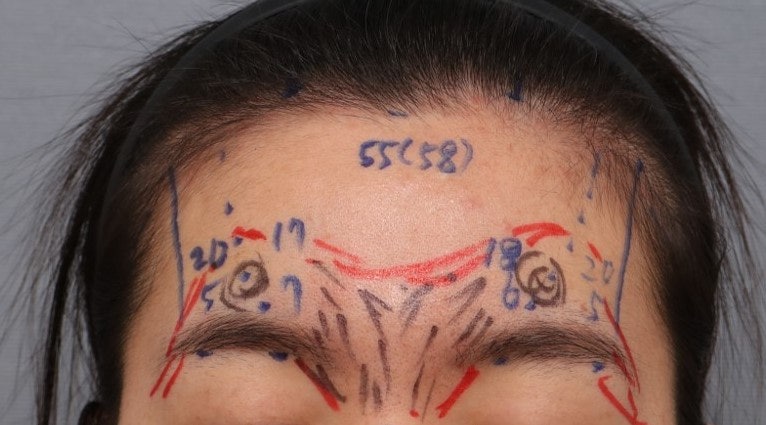
Hello, this is Dr. Woo Hyun Tak from Tailor Plastic Surgery.
It is easy to think of a forehead lift as a procedure that simply lifts the eyebrows upward.
However, in actual surgery, there is something just as crucial as how much the eyebrows are elevated: how safely the nerves around the eyebrows and forehead can be protected while sufficiently releasing the surrounding tissues.
In particular, after an endoscopic forehead lift, some patients may experience discomfort such as numbness, tingling sensations, itching, or headaches in the forehead and scalp.
During my tenure as a clinical professor of plastic surgery at the Yonsei University College of Medicine, I researched methods to minimize this exact issue and presented the results at the 2023 Aesthetic Plastic Surgery conference (APS 2023).
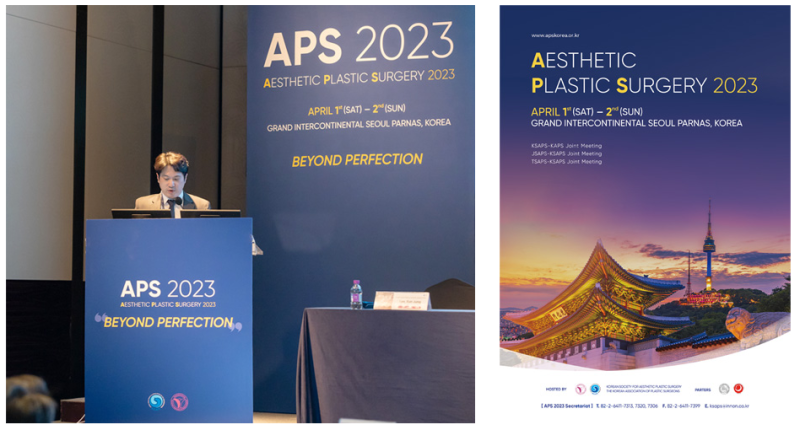
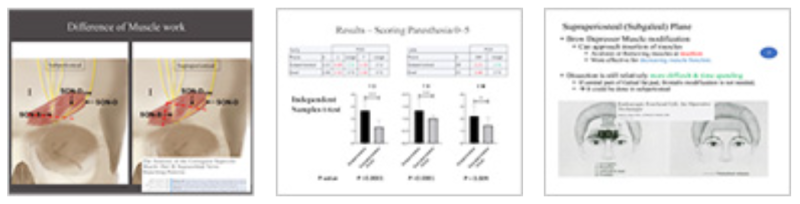
The dual-plane, or plane-shifting, forehead lift that I perform is a method designed to alleviate these nerve-related concerns by altering the surgical plane used in conventional procedures.
In this post, I will walk you step-by-step through the anatomical background behind this approach.
Q1. What is a forehead lift?
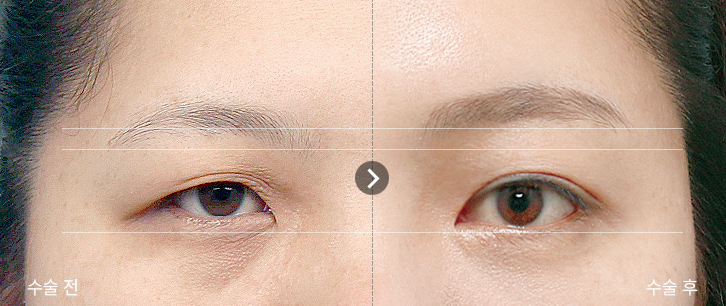
As aging progresses, the soft tissues of the forehead and eyebrows descend, often making the upper eyelid skin appear thick or droopy. In such cases, removing eyelid skin through blepharoplasty or an upper eyelid lift alone may not solve the problem. This is because the root cause lies not in the eyelids, but in the descended forehead and eyebrows.
An endoscopic forehead lift involves making small incisions behind the hairline, dissecting the tissues around the forehead and eyebrows using an endoscope, and shifting the descended tissues upward. Compared to traditional forehead lifts that require long incisions, it has the distinct advantage of minimal scarring, making it the most widely performed method today.
One crucial point to remember is that small incisions do not mean a limited dissection area within the surgical field. To allow the eyebrows to move naturally, the various tissues and adhesions pulling them downward must be thoroughly and adequately released.
Q2. In which plane is a conventional forehead lift performed?
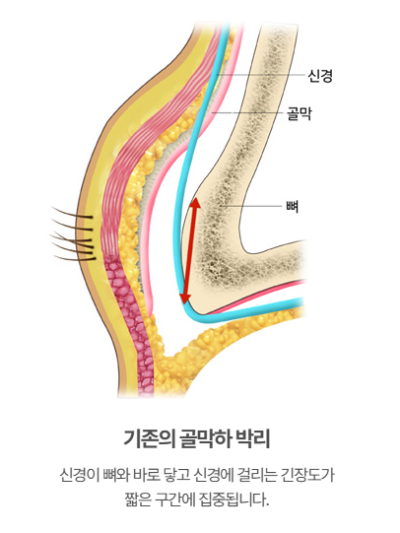
Traditional endoscopic forehead lifts utilize the subperiosteal plane. This technique enters beneath the periosteum—which adheres directly over the frontal bone—and dissects along the bone.
The subperiosteal plane is favored because it involves relatively little bleeding and offers a clear, well-defined dissection layer. However, descending close to the eyebrows introduces an important concern: the supraorbital nerve.
Q3. Why is the supraorbital nerve, which provides forehead sensation, so important?
The supraorbital nerve is the primary sensory nerve responsible for the forehead and scalp. This nerve emerges past the bone above the eye and ascends toward the forehead and scalp.
If conventional subperiosteal dissection is carried all the way down near the eyebrows, the upward tension applied to the tissue during surgery can concentrate onto a relatively narrow area around the supraorbital nerve. To use an analogy, it is like pulling a single electrical wire tightly at a single point.
Even if the nerve is not severed, excessive stretching or compression alone can cause temporary sensory disturbances. As a result, some patients may experience the following symptoms after a forehead lift:
Reduced sensation (numbness) in the forehead or scalp
Tingling or stinging sensations
Itching
Headaches
Prolonged discomfort (in rare cases)
Q4. Could we simply dissect in a different plane from the start?
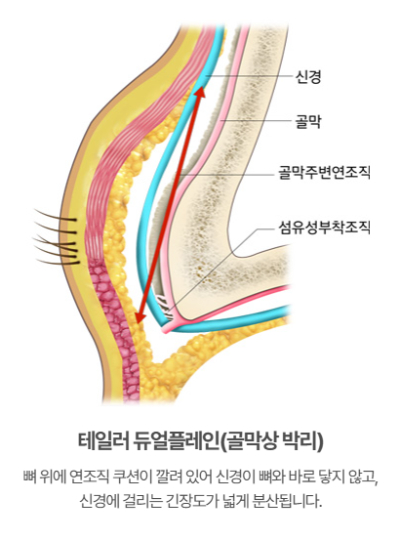
In fact, some forehead lift approaches use the subgaleal plane, located above the periosteum. Dissecting along this layer leaves the periosteum and a portion of soft tissue between the bone and the nerve. Consequently, when the tissue is elevated, it helps prevent direct contact between the nerve and the bone, reducing localized tension concentration.
However, this plane also has its trade-offs. The subperiosteal plane still holds distinct advantages, including relatively easy dissection, minimal bleeding, and a stable surgical field.
Rather than choosing only one of these two methods, I began researching a way to selectively utilize the advantages of each plane where most needed. This led to the dual-plane (plane-shifting) forehead lift—a technique where the dissection plane is intentionally transitioned during the procedure.
I will explain this in more detail in Part 2.
Research Recognized on the International Stage
: 2025 PASM x IFAAS Master Class
This research has garnered attention not only domestically but also internationally.
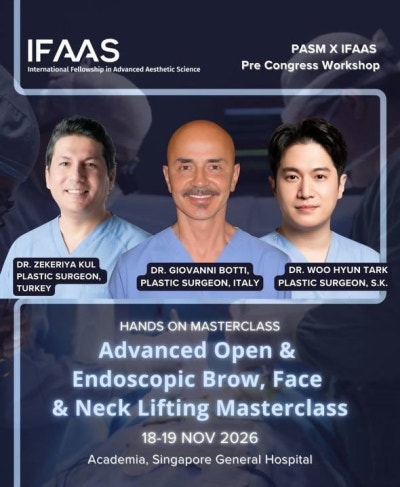
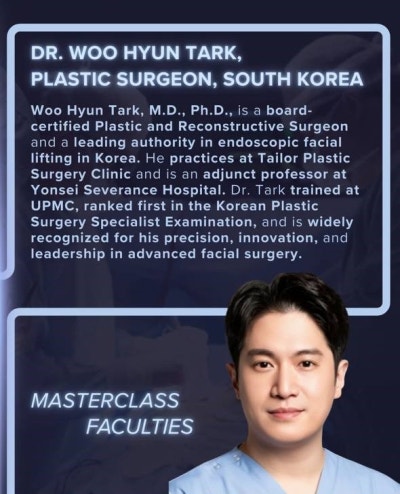
This coming November, I have been officially invited as a 'Master Tutor' to lecture at the world-renowned PASM x IFAAS Master Class held in Singapore.
At this conference, I will serve as Faculty for the forehead lift session, delivering lectures and performing a cadaver demonstration. I plan to present the concept of the Plane-shifting Endoscopic Forehead-brow Lift in depth to plastic surgeons from across the globe, sharing insights developed through extensive clinical experience.
It is deeply rewarding to see this research—focused not just on lifting eyebrows, but on preserving nerves to ensure optimal long-term outcomes—gain recognition as a meaningful surgical technique globally.
Summary
Classification | Subperiosteal Plane | Subgaleal Plane |
Dissection Difficulty | Easier | More difficult |
Bleeding | Minimal | Can be more than subperiosteal |
Nerve Cushioning Tissue | None | Can be preserved |
Concentration of Nerve Tension | May occur | Can be dispersed |
A successful forehead lift is determined not merely by how high the eyebrows are lifted, but by the layer in which dissection occurs and how surgical technique affects sensory recovery and long-term results.
Today, I have introduced these surgical nuances, and I will share a more in-depth discussion in Part 2.
For further details, please feel free to watch the accompanying video below.
https://tv.naver.com/v/104322996
Thank you. This was Plastic Surgeon Dr. Woo Hyun Tak.
Frequently Asked Questions
Why does scalp numbness or headache occur after a forehead lift?
It occurs when tissue around the supraorbital nerve is excessively stretched or compressed during surgery. Even without direct nerve transection, sustained tensile force applied to a localized area can trigger temporary sensory disturbances, tingling, itching, or headaches.
What are the pros and cons of a conventional subperiosteal forehead lift?
While it offers minimal bleeding and a clearly defined dissection layer, tension can become concentrated on the nerves. Dissecting along the bone is relatively straightforward, but concentrated pulling forces on the supraorbital nerve near the brow risk causing sensory changes.
What are the benefits of dissecting in the subgaleal plane?
Cushioning tissue is retained between the nerve and the bone, which helps distribute the tensile force applied to the nerve. However, this plane presents higher dissection difficulty and carries a comparatively higher risk of bleeding compared to the subperiosteal plane.
What is a dual-plane (plane-shifting) forehead lift?
It is a surgical method that shifts selectively between the subperiosteal and subgaleal planes depending on the specific area. By combining the strengths of each plane, it minimizes bleeding, allows safe dissection, and retains cushioning tissue around the nerves to prevent postoperative sensory complications.
Can eyelid sagging also be corrected with a forehead lift?
Yes, it can. If upper eyelid sagging is caused by descended forehead and brow tissues rather than excess eyelid tissue itself, a forehead lift can address the root cause by elevating the brow and soft tissues rather than relying solely on upper blepharoplasty.